It’s not too hard…
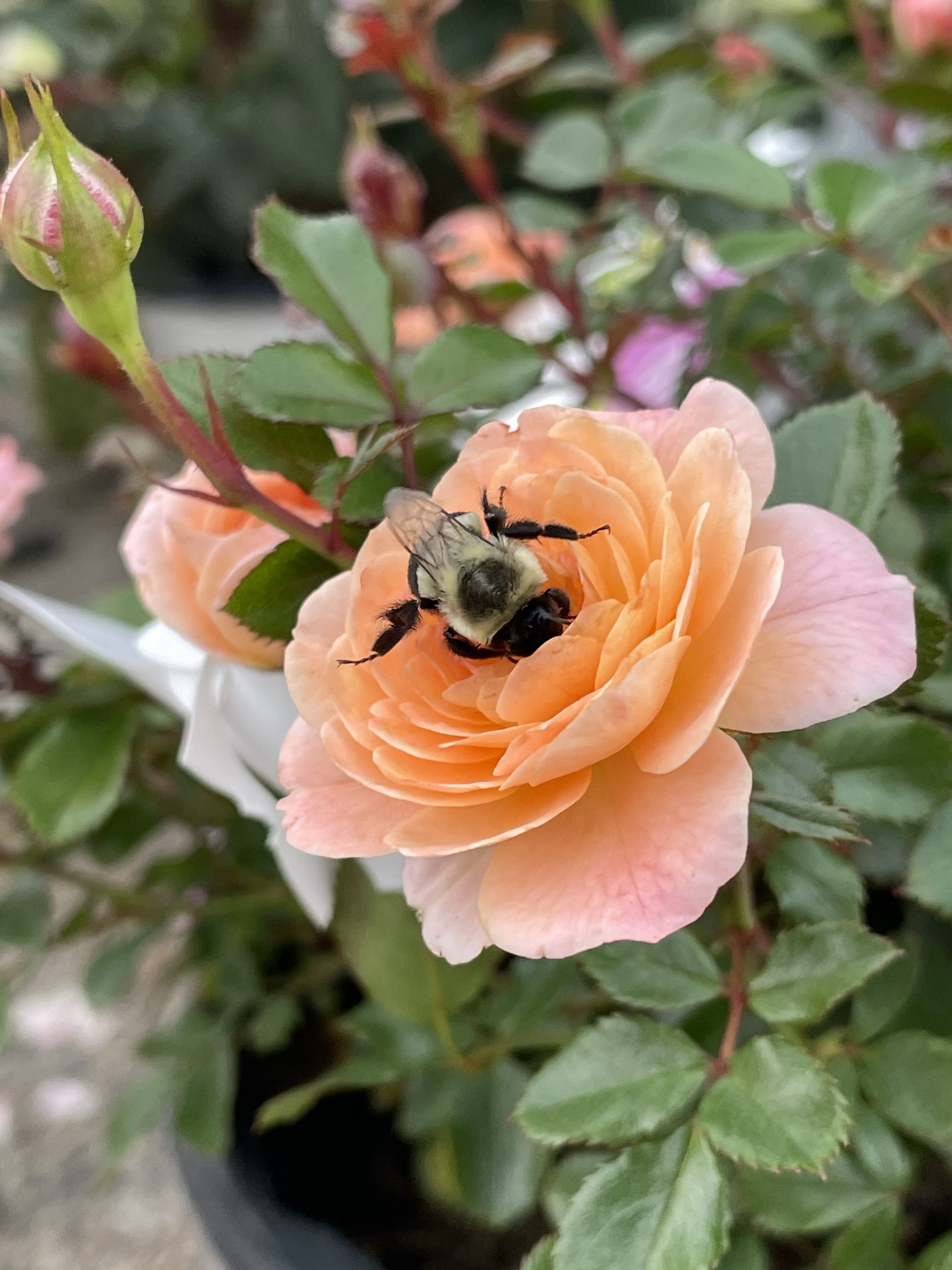
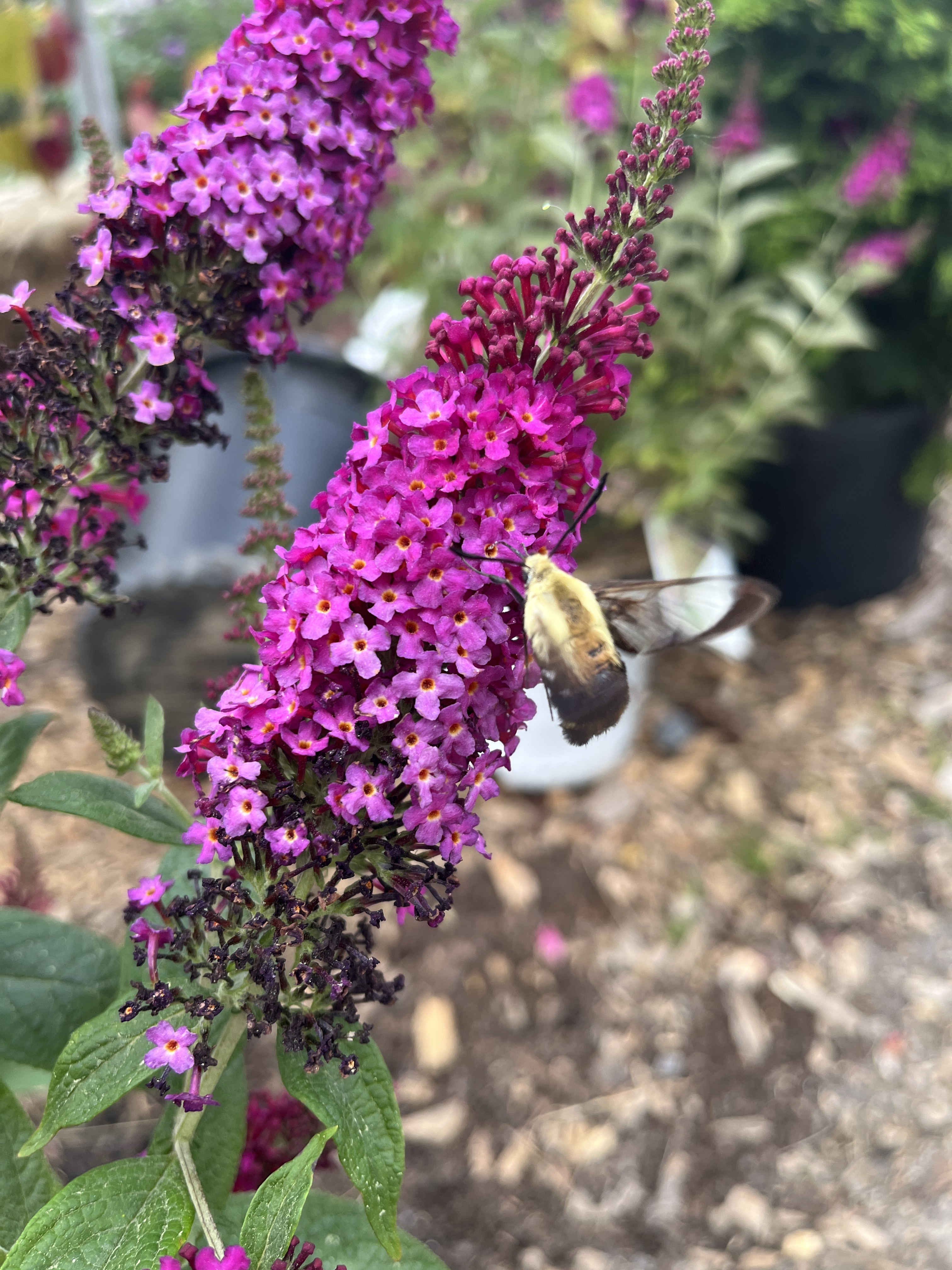
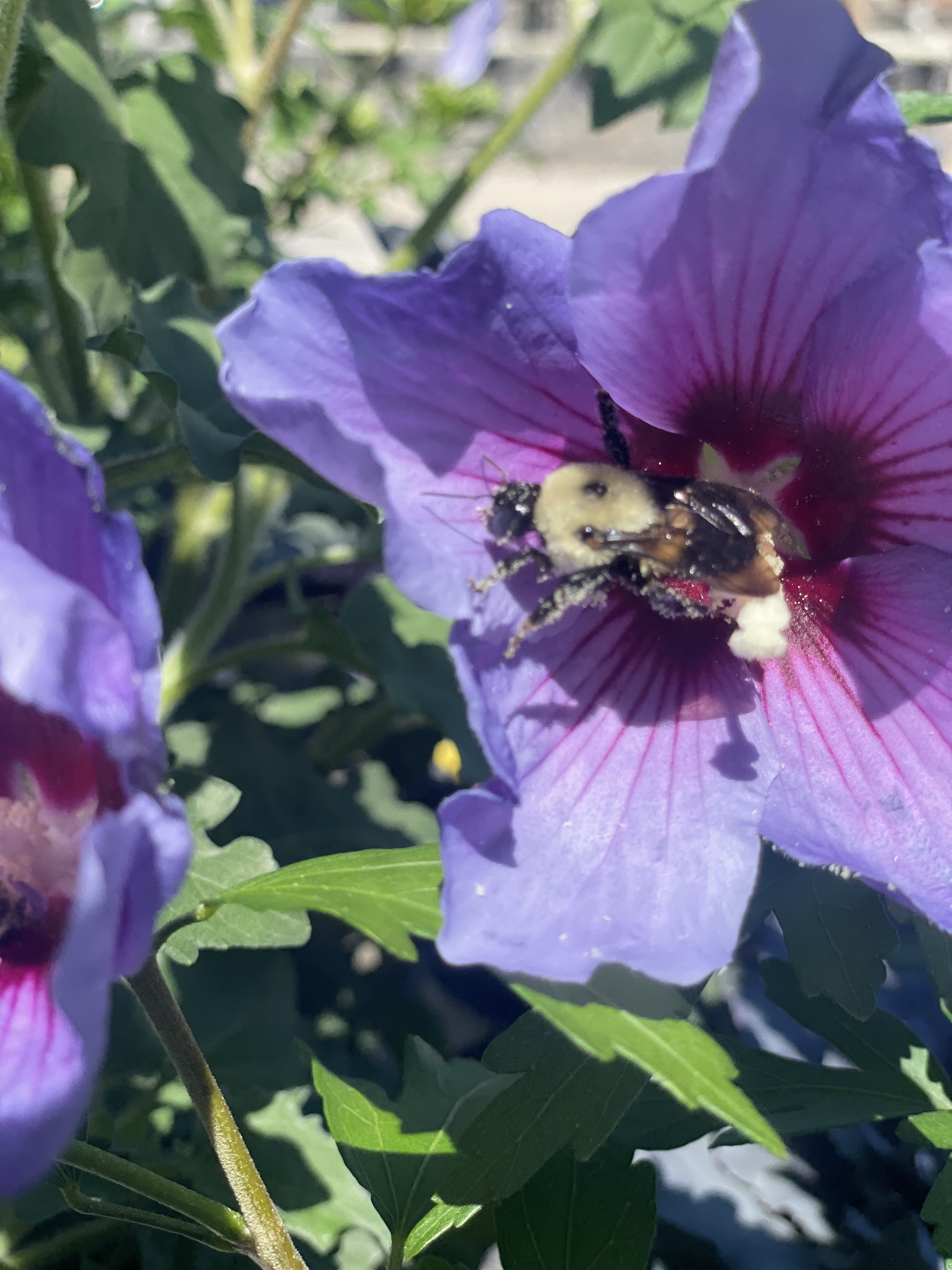
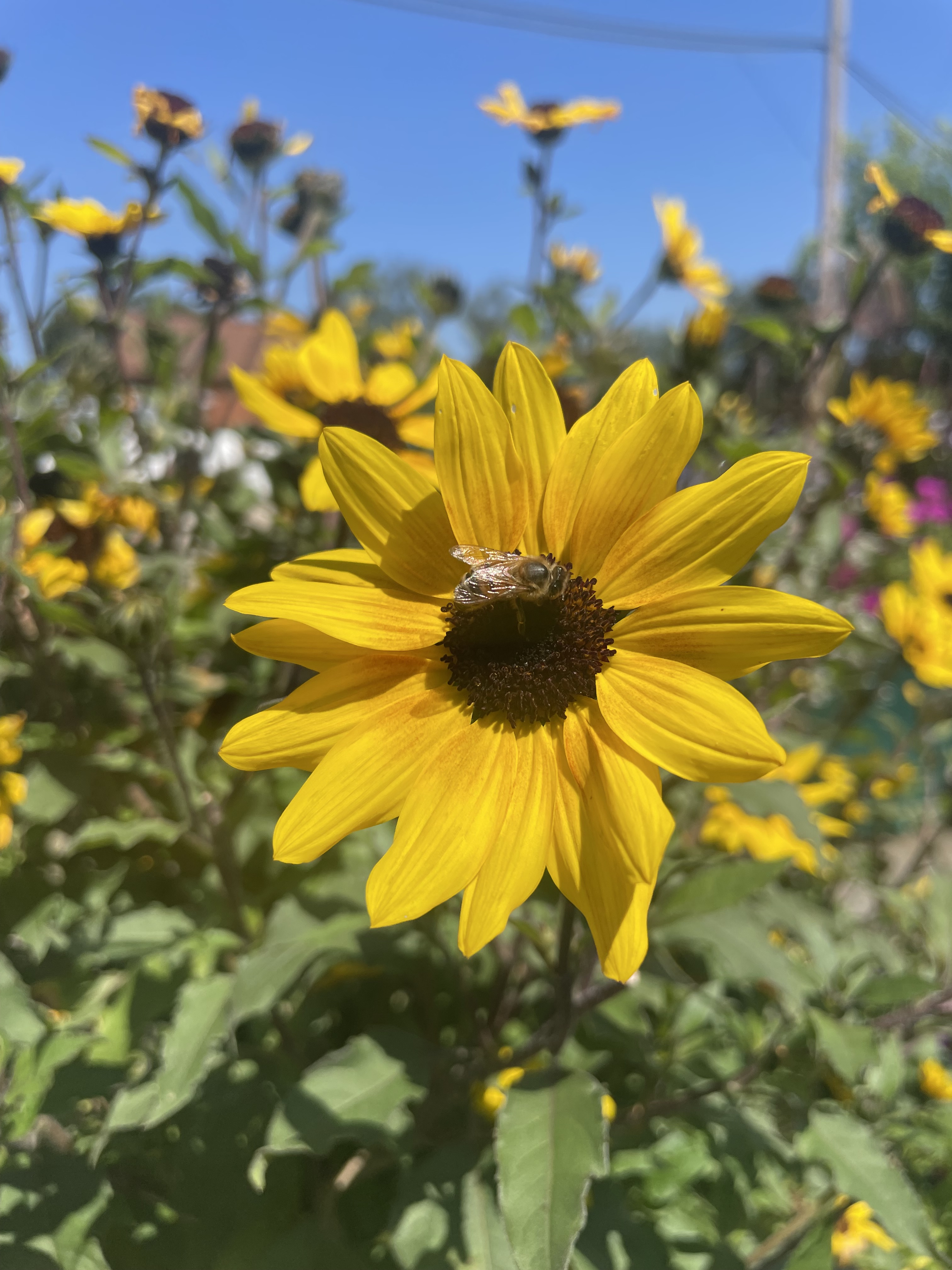
“The hum of bees is the voice of the garden” Elizabeth Lawrence
Approaching Spring, we wait for the soft carpet of insulation to give into the lush beginnings of beautiful, vibrant seasons of green, lovely blooms, sun, and our vigorous pollinators hard at work.
This year, I’ve heard mixed reviews of lessening populations of pollinators, or simply next-to-none, while other’s gardens are booming and buzzing with action.
While I do think it depends on numerous factors, including where you are, what you have in your garden, how your season has been so far; most importantly, I believe the biggest factor to look at is what is going on around you, your neighborhood, your town or city, even your state. The amount of us simply living our daily lives, leaving our mark on the world this way or that, creating a need for constructing more housing or another strip-mall, there is bound to be a disturbance of nature in the surrounding areas.
While the abundant construction and relentless destruction of habitats absolutely is contributing to the odd patterns we are seeing in our pollinators, I have another theory to suggest.
In my own garden in Southern New Hampshire, I have seen a reduction of certain pollinators, but I have also seen a large uptick in other pollinators in my yard. Over the past few years, I have been transitioning my plantings to native species. They do better, need less care, the blooms last longer and they are better for our native pollinators, so why not? The pollinators that I have seen a decrease in include honeybees, Japanese beetles, and brown Marmorated stink bugs. All invasive/nonnative species. But I have seen a tremendous increase around me of native moths (Hoffman’s and several types of Tiger moths), as always a billion leafhoppers but somehow more, and a decent increase of bumblebees.
If we keep planting natives, hopefully our native species will have a better chance at putting up a decent fight.
PSA, use chemicals per the directions explicitly as stated, but assume no chemicals are safe for our pollinator friends until you do your own research!
Use this cute garden tool set to help you plant those natives! Or these pruners if you feel like treating yourself (these are really the best)!
Also, for everyone that is saying they’ve stopped seeing fireflies, leave your leaves!
For your viewing and learning pleasure:
Want a more in depth look at what happens in their cocoon when caterpillars turn into butterflies? Watch this youtube video!
 SweetRoot
Leave a comment